 Home
Home


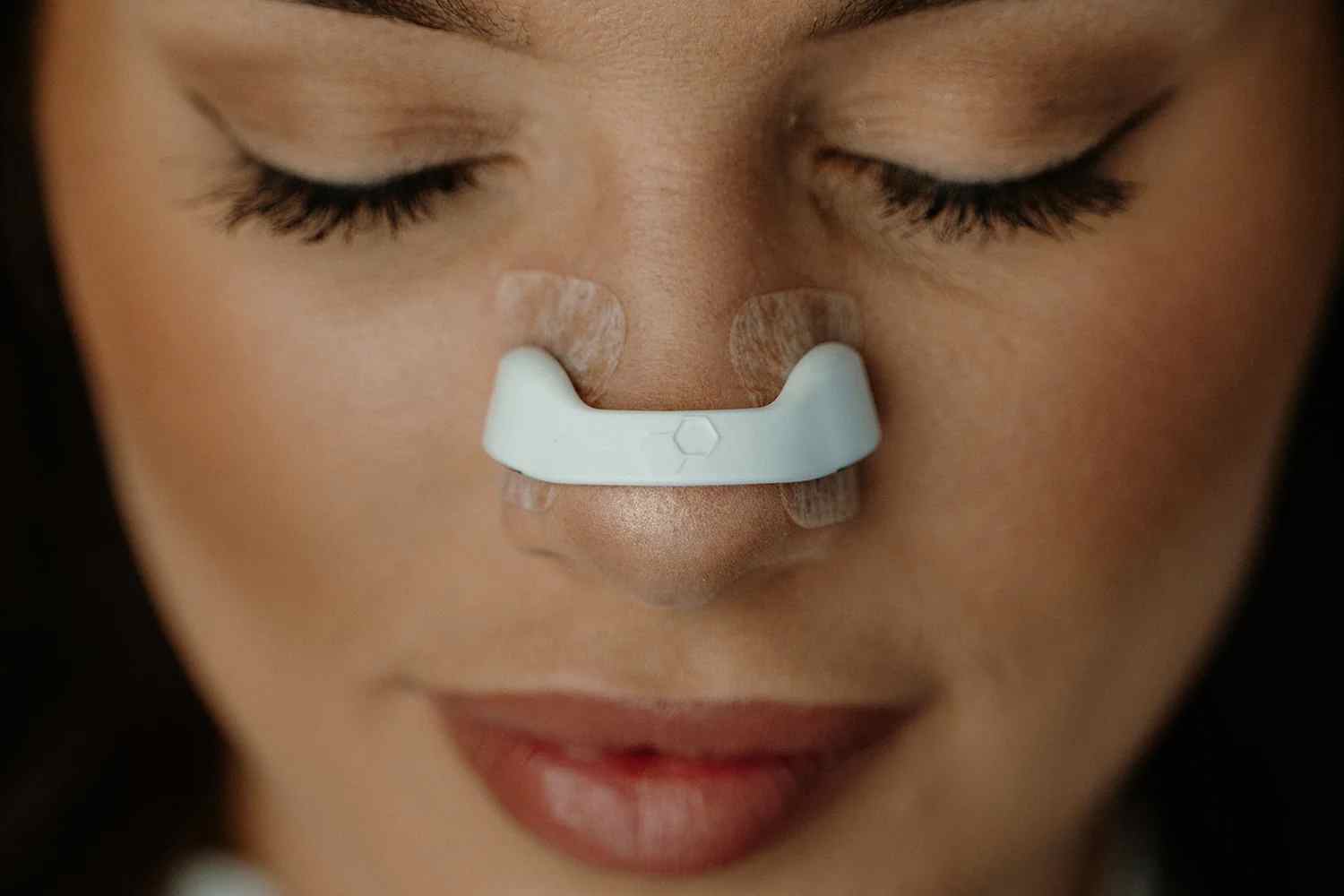
If you are looking to buy nose strips, you are likely searching for a simple, drug-free way to breathe more clearly at night or during a workout. These small adhesive bands work by physically lifting and widening your nasal passages, which can reduce snoring and ease the feeling of a stuffy nose. For most people, the best experience comes from choosing a “strength” that matches their skin type, standard strips for daily use or extra-strength versions if you have a particularly narrow airway or stubborn congestion.
While they look like simple bandages, there is actually a bit of clever engineering behind them. Understanding how they work and how to pick the right one can make the difference between a restless night and waking up feeling truly refreshed.
How Nose Strips Actually Work
Think of your nose as a hallway. For some of us, that hallway is naturally narrow, or it gets “cluttered” due to allergies or a cold. This creates resistance, forcing you to breathe through your mouth.
Nose strips contain flexible, spring-like bands. When you press the strip onto the bridge of your nose, these bands try to straighten back out. Because the edges are stuck to your nostrils, that “straightening” force pulls the sides of your nose outward. This opens the nasal valve, the narrowest part of your airway, and can increase airflow by as much as 30%.
Why People Use Them
Most people buy nose strips for one of three main reasons:
- To Stop Snoring: If your snoring is caused by nasal resistance (the “vibrating” sound of air struggling to get through your nose), these strips can quiet the noise significantly.
- Cold and Allergy Relief: When you’re congested, the tissues inside your nose swell. Since strips pull from the outside, they provide a mechanical way to bypass that internal swelling without needing medicine.
- Exercise Performance: Athletes often use them to maintain nasal breathing during high-intensity efforts, which helps regulate heart rate and oxygen intake.
Choosing the Right Type for Your Needs
Before you head to the checkout, it’s helpful to know that not all strips are the same. Here is a quick breakdown of what you’ll find on the shelves:
| Feature | Best For… | Why Choose It? |
| Standard/Original | General use | Good for occasional stuffiness or light snoring. |
| Extra Strength | Maximum lift | Features a stiffer band for people with very narrow nasal passages. |
| Sensitive Skin | Nightly users | Uses a milder adhesive that won’t irritate the skin when removed. |
| Clear Strips | Discretion | Less noticeable on the face; great if you need to wear them during the day. |
Pro-Tips for the Best Results
If you’ve tried nose strips before and they popped off in the middle of the night, it’s usually not a “bad” product—it’s usually a prep issue.
- Degrease Your Skin: Your nose is one of the oiliest parts of your face. Use a little soap and water (or a quick swipe of rubbing alcohol) to clean the bridge of your nose before applying. The adhesive needs a bone-dry, oil-free surface to bond.
- The “Sweet Spot” Placement: Don’t put the strip too high on the bony part of your nose. It needs to sit just above the flare of your nostrils. This is the soft area that actually collapses when you breathe in deeply.
- Removal is Key: To avoid redness or “tape burn,” don’t rip it off like a Band-Aid. Instead, wash your face with warm water or remove it while in the shower. The water helps release the adhesive gently.
The Bottom Line
Buying nose strips is one of the most cost-effective ways to improve your sleep hygiene. They aren’t a cure for serious conditions like sleep apnea, but for the millions of people who just want to stop mouth-breathing and get more oxygen while they sleep, they are a simple, effective tool that works the moment you put them on.