 Home
Home



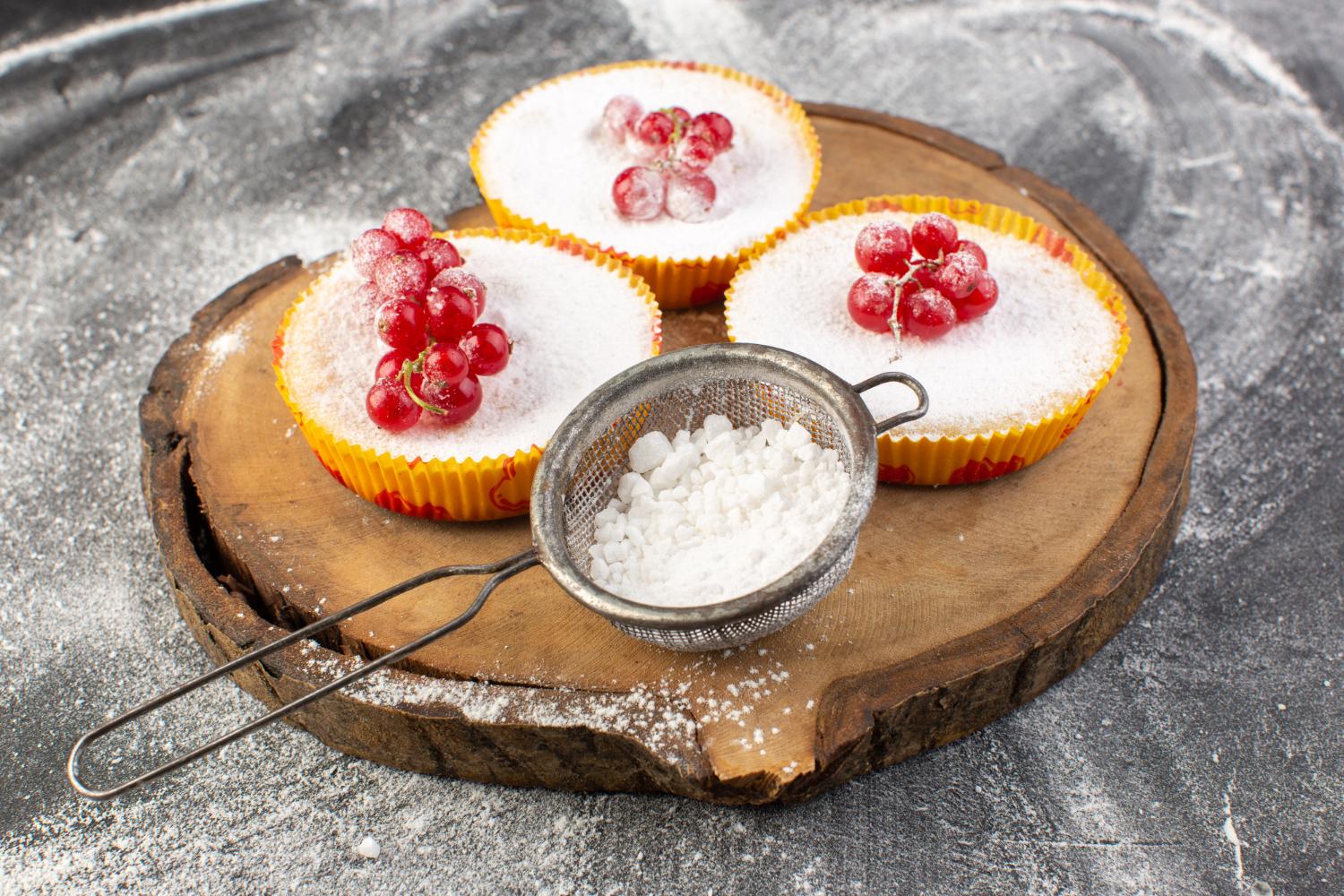
When it comes to baking sugar, choosing the right type can make or break your recipe. From cookies to cakes, sugar isn’t just a sweetener—it plays a key role in flavor, texture, and structure. Whether you’re looking to stick with traditional white sugar, exploring the deeper flavors of brown sugar, or venturing into alternative options, understanding their differences is essential for optimal baking results. This guide will explore the unique properties of each type and how they influence your baked goods.
The Role of Sugar in Baking
Sugar is more than just a sweetener; it’s a multifunctional ingredient in baking. It contributes to browning through caramelization, locks in moisture, and influences the texture of cakes, cookies, and pastries. Without sugar, baked goods could end up dry, overly dense, or bland. By understanding the differences between white sugar, brown sugar, and alternatives, bakers can make informed decisions based on the needs of their recipes and desired outcomes.
White Sugar: The Classic Choice
White sugar is the most common type of baking sugar. It is refined to remove molasses and impurities, making it perfect for recipes that require a clean, neutral flavor. Its fine granules dissolve easily, creating light and fluffy textures in cakes and pastries. White sugar also excels at caramelization, adding a golden hue to baked surfaces.
Tip: When baking recipes that require a crisp texture—like meringues or cookies—white sugar is ideal due to its drying properties. Additionally, its neutral flavor makes it versatile for almost any baking recipe.
Brown Sugar: For Richness and Moisture
Brown sugar is essentially white sugar with molasses added back. The inclusion of molasses gives it a darker color and a moist, clumpy texture. Its flavor is richer, with notes of toffee or caramel, making it perfect for recipes like gingerbread cookies and moist brownies.
Brown sugar retains more moisture, which can add chewiness and softness to your baked goods. However, the added molasses may not work as well in recipes where a neutral flavor profile is essential. Choose light brown sugar for milder flavor and dark brown sugar for deeper caramel notes.
Alternative Sugars: Unique Baking Experiences
For bakers seeking healthier options or unique flavors, alternative sugars like coconut sugar, honey, or maple syrup provide exciting possibilities. Coconut sugar, for instance, has a lower glycemic index and a subtle caramel taste, while honey adds floral undertones that pair beautifully with certain cakes.
Though these options are less refined than natural sugar, they may affect the texture and structure of baked goods. Honey and syrup add moisture, while granulated alternatives like monk fruit sweeteners can mimic sugar’s drying effects more closely. Consider experimenting with small batches to ensure alternative sugars work well in your recipes.
Choosing the perfect baking sugar depends on the recipe and your desired outcome. Stick with white sugar for light textures and a neutral flavor, opt for brown sugar to boost richness and moisture, and explore alternatives for creative baking experiments. By understanding how each type of sugar interacts with your ingredients, you can transform ordinary baked goods into extraordinary treats.