 Home
Home



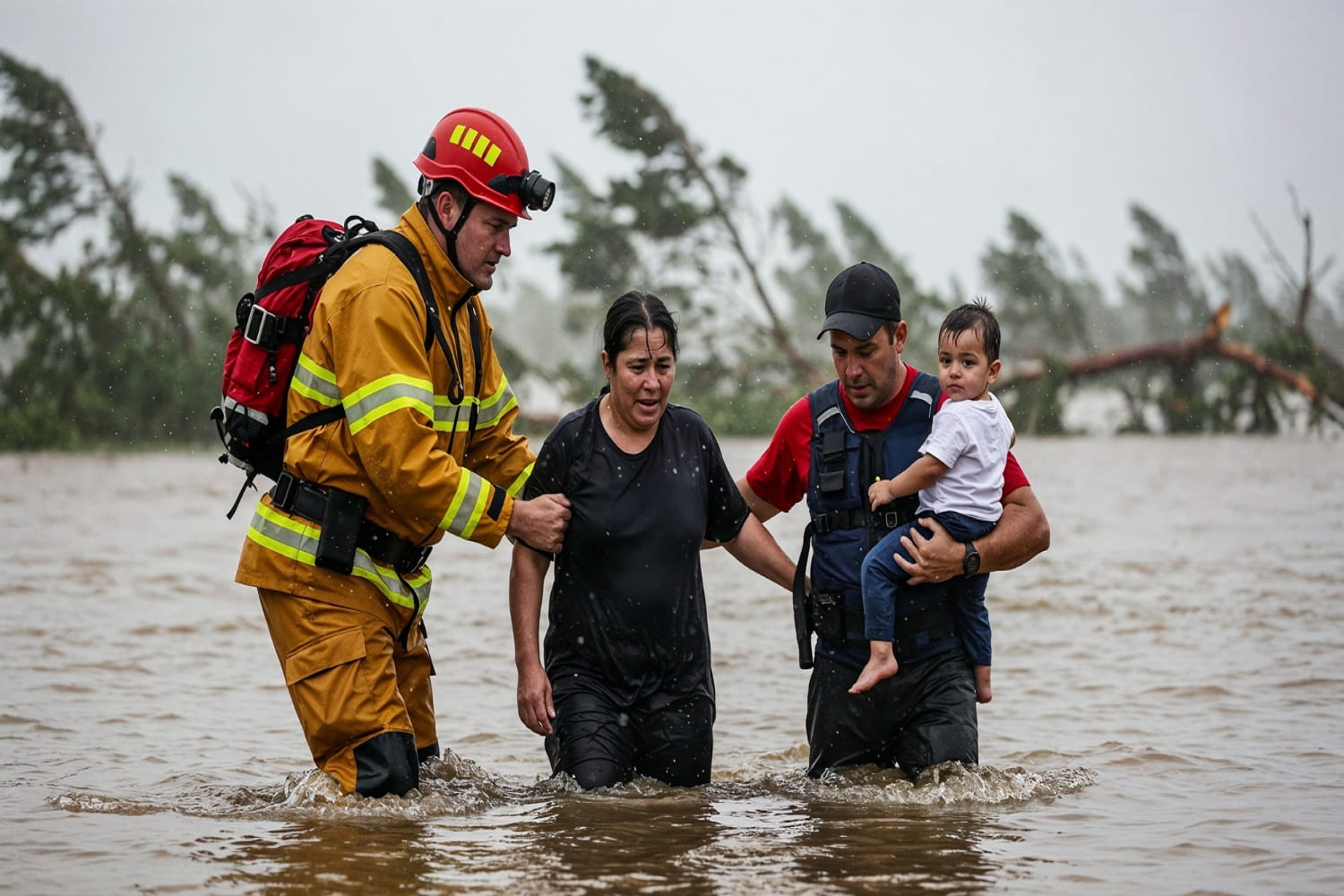
Disasters strike without warning, leaving families stranded, communities overwhelmed, and entire regions in chaos. In these moments, organized government agencies play a vital role, but there is also a growing need for fast, flexible, community-driven support. This is where Cajun Navy 2016 stands apart. Known for its grassroots origins and powerful volunteer network, Cajun Navy 2016 has built a reputation as one of the most reliable and responsive disaster-relief groups in the United States. But what truly makes this organization different? The answer lies in its purpose, people, technology, and long-term commitment to recovery.
A Mission Rooted in Community
Cajun Navy 2016 began during the devastating Louisiana floods of 2016. What started as neighbors helping neighbors quickly grew into a coordinated rescue movement. Unlike traditional agencies that follow formal deployment procedures, Cajun Navy 2016 operates from the heart of the community. Volunteers live in the areas they serve, understand local risks, and respond with speed because they feel a personal responsibility to protect their own.
This community-first mindset gives Cajun Navy 2016 a major advantage. They are not waiting for orders—they are stepping in the moment help is needed. Their mission is simple but powerful: save lives, deliver hope, and rebuild communities. This local connection is a big reason communities trust them, often calling them before anyone else.
Highly Trained Volunteers, Not Just Helpers
While Cajun Navy 2016 is community-powered, it is far from unorganized. One of the biggest differences between this group and many volunteer rescue teams is its training standards. Volunteers must pass background checks and complete recognized emergency-response courses before participating in missions. Many complete FEMA and ICS (Incident Command System) certifications, equipping them with professional-level skills for managing crisis situations.
This level of preparation ensures that volunteers do not just show up—they show up ready. They know how to communicate, navigate dangerous conditions, operate rescue tools safely, and work under pressure. The blend of passion and training is one of the strongest factors that sets Cajun Navy 2016 apart.
Use of Modern Technology and Innovation
Cajun Navy 2016 has become known for embracing technology to improve disaster response. While the original Cajun Navy groups used primarily boats and radios, this modern organization has expanded into drone technology, digital mapping, and real-time communication tools.
Drones are used for locating missing persons, scanning flooded neighborhoods, and identifying areas where help is most urgently needed. This allows rescuers to reduce risk, act faster, and reach people who might otherwise go unnoticed.
Digital mapping and communication systems help volunteers coordinate routes, manage incoming requests, and organize supply distribution. Instead of outdated techniques or guesswork, Cajun Navy 2016 uses data to guide every decision. This combination of heart and high-tech tools makes their operations more efficient and safer.
Rapid Response When Every Minute Counts
One of the defining differences of Cajun Navy 2016 is its ability to move quickly. In many major disasters, official agencies can face delays due to approvals, logistics, or resource limitations. Cajun Navy 2016, however, can deploy volunteers immediately because they operate as a grassroots network.
When hurricanes, tornadoes, or flash floods strike, time is everything. A few minutes can mean the difference between life and death. Cajun Navy 2016’s fast mobilization—powered by online networks, volunteer availability, and community coordination—has saved countless lives. Their speed and adaptability often make them the first on the ground.
Support Beyond the Initial Rescue
Many disaster organizations focus mainly on the rescue stage. However, Cajun Navy 2016 is different because its work continues long after the floodwaters recede. The group provides long-term recovery support, including cleanup, supply distribution, rebuilding assistance, and emotional support for affected families.
They help people return to their homes, regain stability, and rebuild their lives. This commitment to “showing up and staying” separates them from groups that leave after the immediate crisis is over. For many communities, Cajun Navy 2016 becomes a source of long-term hope and strength.
A Force Powered by Compassion
Above all, Cajun Navy 2016 is driven by heart. Every volunteer is motivated by compassion, not profit. They use their own time, resources, and energy to help complete strangers. That human spirit—ordinary people stepping up to do extraordinary things—is the core of the organization’s identity.
Their combination of training, technology, rapid response, and community connection makes Cajun Navy 2016 not just a rescue group, but a movement of hope. In a world where disasters are becoming more frequent and severe, their work shows what can happen when a community unites with purpose.
Cajun Navy 2016 stands out because it represents the best of humanity—people helping people when it matters most.