 Home
Home



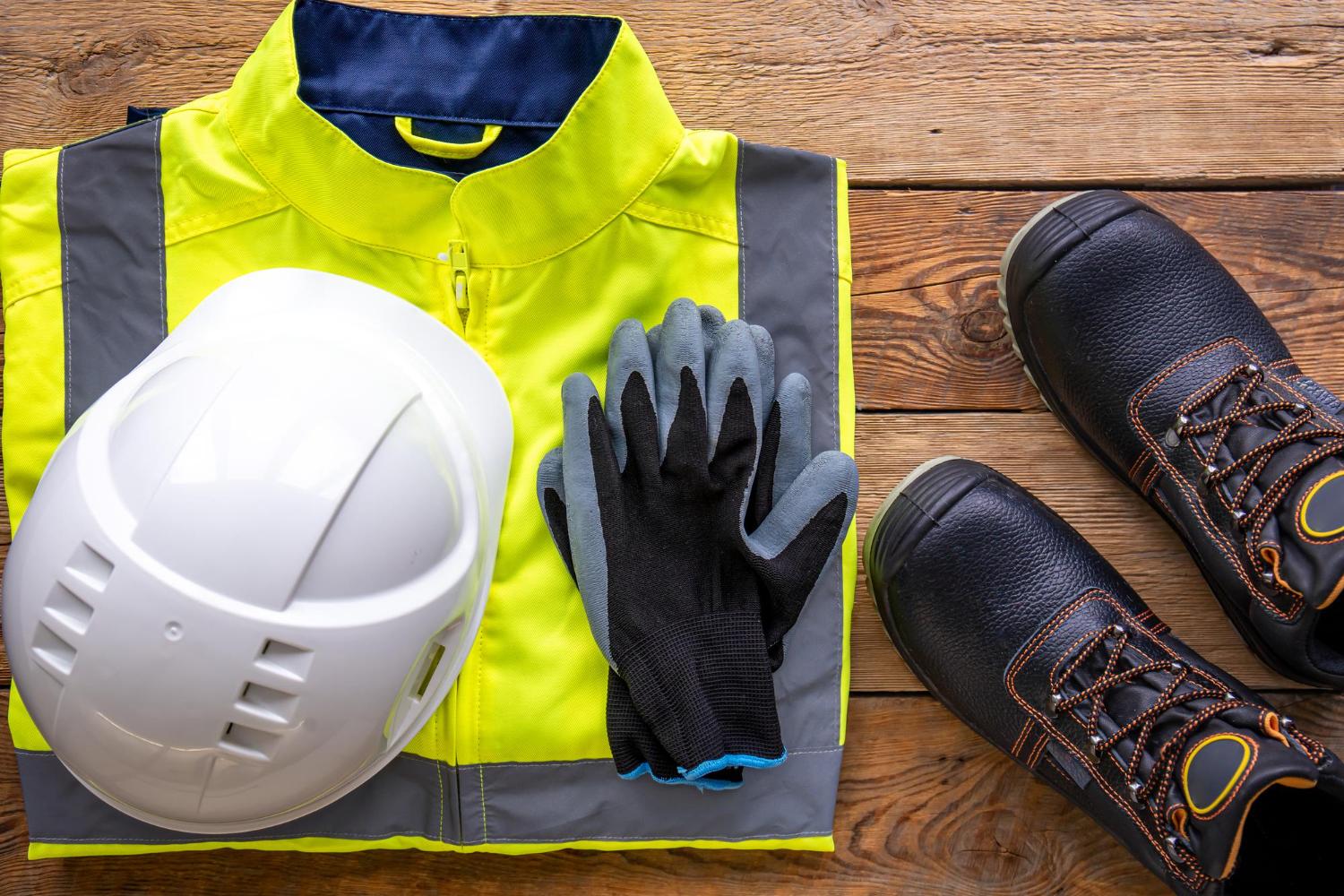
In today’s world, safety is a top priority in many industries, whether it’s construction, manufacturing, healthcare, or hazardous material handling. To safeguard workers from physical, chemical, and environmental risks, employers provide reliable body protection equipment.
This equipment offers crucial defense against injuries, ensuring workers can perform their duties safely and efficiently. Understanding the types of body protection equipment and their uses is essential to creating a safe working environment.
Let’s dive into the details of the various types available and their specific purposes.
Types of Body Protection Equipment
1. Protective Clothing
Protective clothing includes coveralls, lab coats, aprons, and full-body suits. These are designed to provide comprehensive coverage against splashes, dirt, chemicals, and biological hazards.
Uses:
Protective clothing is commonly used in laboratories, construction sites, and healthcare settings. Workers handling chemicals, cleaning hazardous materials, or dealing with infectious agents rely on these garments to stay safe.
2. Fire-Resistance Gear
This type of equipment is made from materials that can withstand high temperatures and flames. Fire-resistant gear includes items like flame-resistant shirts, pants, and suits.
Uses:
Ideal for industries such as firefighting, welding, and metalworking, fire-resistant clothing protects workers from burns and injuries during high-heat operations.
3. High-Visibility Clothing
High-visibility clothing includes vests, jackets, and shirts made with brightly colored fabrics and reflective strips. This ensures individuals are clearly visible, especially in low-light conditions.
Uses:
Workers in road construction, traffic management, and logistics industries often wear high-visibility clothing to reduce the risk of accidents.
4. Bulletproof or Impact-Resistant Gear
Body armor or impact-resistant gear is designed to protect against blunt force trauma or projectile impacts. These include bulletproof vests, stab-resistant armor, and padded protective suits.
Uses:
Frequently used by law enforcement, military personnel, and private security teams, this type of equipment protects workers from physical harm during dangerous operations.
5. Chemical-Resistant Clothing
Chemical-resistant clothing is made from specially coated fabrics that block harmful chemical agents from coming into contact with the skin.
Uses:
Workers in chemical manufacturing, laboratories, or industries that involve toxic materials use this gear to guard against spills and chemical burns.
6. Thermal and Cold Protection Gear
Thermal and cold protection gear includes insulated jackets, gloves, and suits that help maintain body temperature in extreme weather.
Uses:
This type of equipment is used in refrigerated environments, outdoor construction, or arctic-like conditions where workers need protection from frostbite and hypothermia.
Choosing the Right Protection
Selecting the ideal body protection equipment depends on the job and associated risks. Employers need to assess work environments, identify hazards, and choose garments that meet industry standards.
For example, workers exposed to sharp objects need puncture-resistant gear, while those handling chemicals must wear chemically resistant suits. Additionally, comfort and mobility should be taken into consideration to ensure workers can perform tasks without restriction.
Conclusion
Body protection equipment plays a critical role in ensuring worker safety across various industries. Fire-resistant clothing, chemical-resistant suits, bulletproof vests, and high-visibility jackets are just a few examples of the essential tools designed to minimize risks and protect lives.
By choosing the right equipment and ensuring proper maintenance, both employers and workers can create a safer work environment. Investing in the correct body protection equipment is more than a safety measure—it’s a commitment to health, security, and productivity on the job.