 Home
Home



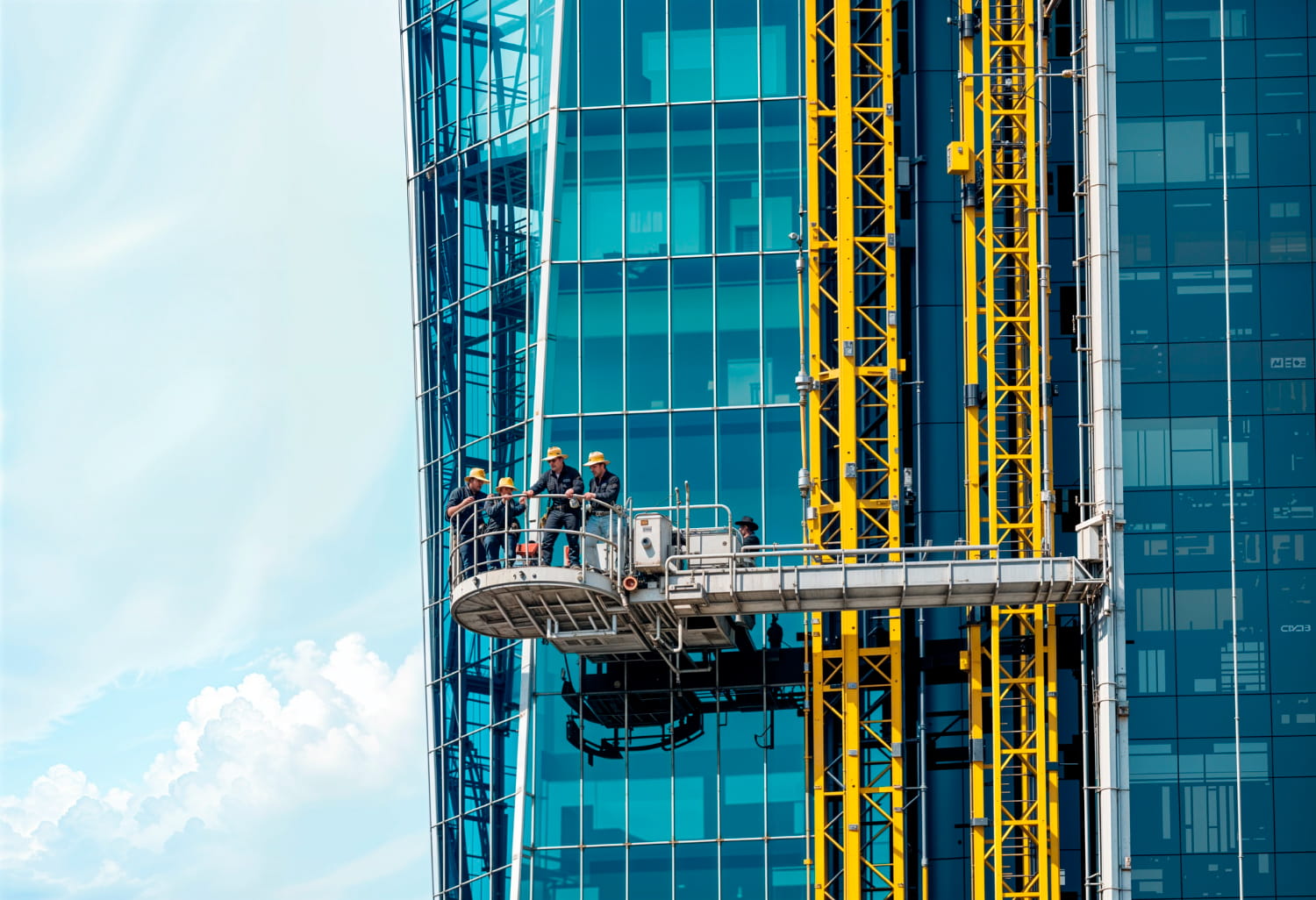
Building manager rings three contractors for quotes on facade work. One quote’s reasonable, another’s higher, the last one’s suspiciously cheap. Guess which one gets the job? Six months later, that cheap contractor’s fallen off the building, WorkSafe’s investigating, and suddenly there’s a massive lawsuit plus potential criminal charges. Happens more than anyone admits because high rise building maintenance keeps getting treated like any other contractor hire instead of the high-risk work it actually is.
Tickets and Licenses Aren’t Just Paper
Rope access certification, high-risk work licenses, working-at-heights tickets—these prove someone’s been trained properly and knows what they’re doing. Not just ticked a box somewhere. Blokes without qualifications are cheaper for a reason. They’re gambling with physics and hoping nothing goes wrong. When it does, building owners cop the legal consequences along with them.
Insurance Exists for When Things Go Wrong
Proper contractors carry millions in public liability, workers comp, professional indemnity. Cheap operators have none of it or bare minimums. Someone falls, gets hurt, damages property? Without insurance, building owners are paying for everything—medical bills, compensation, legal fees. That small initial saving becomes an absolute disaster real quick.
Their Gear Isn’t Held Together With Hope
Professional outfits replace ropes and harnesses on schedule, service equipment properly, keep records of everything. Cowboys use whatever’s cheapest until it literally falls apart. Frayed ropes, rusty carabiners, expired harnesses—seen it all. Eventually something fails, and people get seriously hurt or killed.
They Actually Know Building Regulations
High rise building maintenance involves fire systems, structural work, weatherproofing standards. Professionals know which jobs need permits, what inspections are required, how to stay compliant. Amateurs just start work and hope nobody notices. Building certifiers do notice, and violation notices get expensive fast.
Risk Assessments Happen Before Work Starts
Proper contractors document hazards, plan safety measures, write procedures. Legal requirement, but also just sensible. Casual workers rock up and wing it. No planning, no safety protocols, just hoping for the best. That’s how accidents happen.
They Spot Problems Nobody Asked About
Experienced technicians notice cracked cladding, water damage, structural issues whilst doing other work. They mention it before small problems become building-threatening disasters. Unqualified workers miss everything because they don’t know what warning signs look like.
Building Owners Wear the Legal Consequences
When dodgy contractors cause accidents, WorkSafe prosecutes building owners too. “I hired someone else to do it” isn’t a defense. Due diligence is legally required—checking licenses, insurance, qualifications. Skipping that means personal liability when things go wrong.
Cheap Work Fails Quickly
Botched facade repairs, poorly sealed windows, rushed paintwork—all fail within months. Then it’s paying someone competent to fix the original work plus the new damage. Ends up costing far more than proper work would’ve cost initially.
Proper Height Safety Solutions Get Used
Professional contractors assess jobs properly and use appropriate height safety solutions—rope access, elevated work platforms, scaffolding, whatever actually suits the situation safely. They don’t improvise sketchy solutions because proper equipment seems like too much effort.
Hiring properly qualified contractors for high rise building maintenance costs more upfront. But it’s still cheaper than lawsuits, WorkSafe prosecutions, fixing botched work, or living with someone’s death on your conscience because saving a bit seemed like good business.