 Home
Home



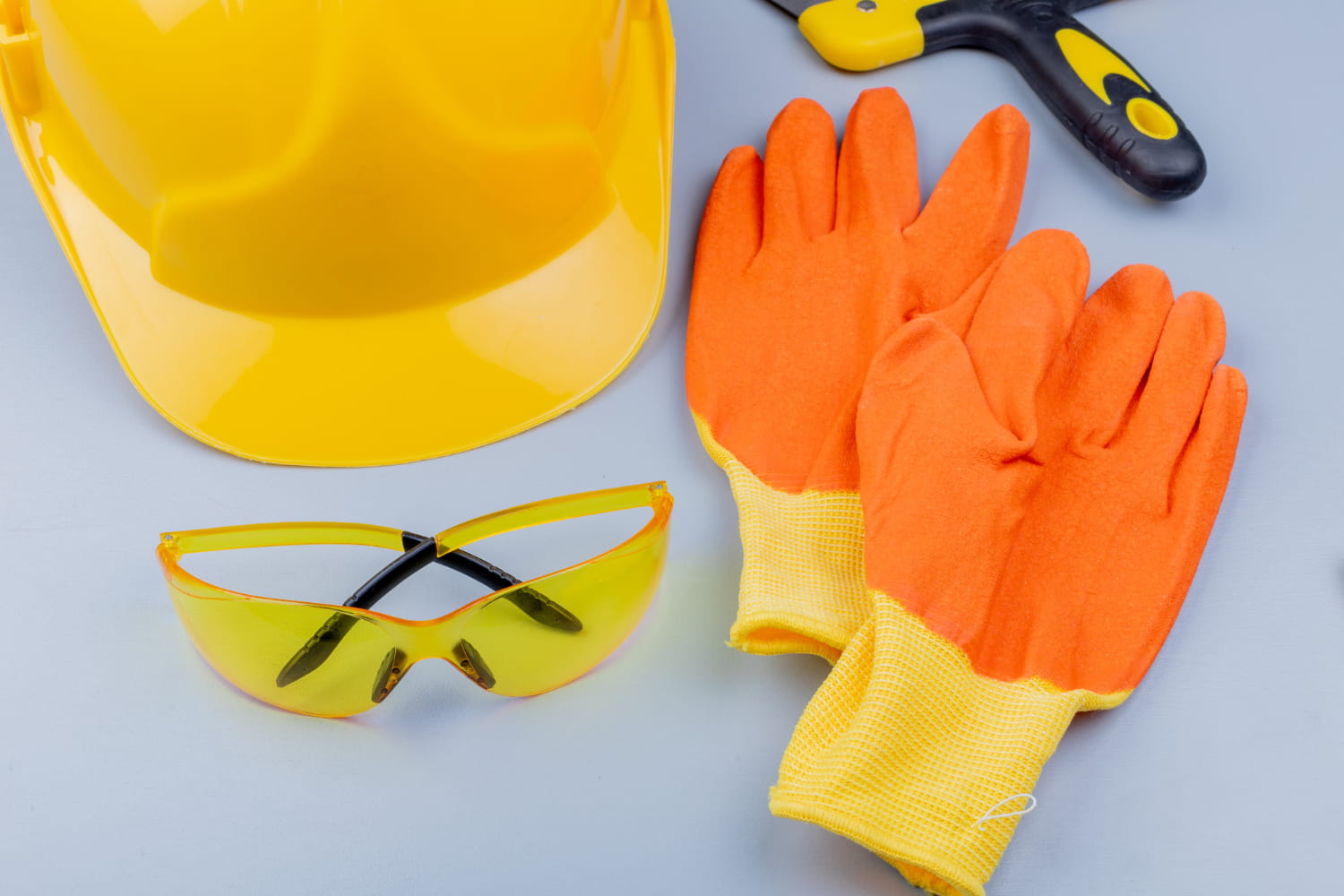
When we think about industrial safety, the image that often comes to mind is a hard hat or a pair of steel-toed boots. While protecting the head and feet is undeniably critical, the largest surface area of a worker, the torso and limbs, is frequently exposed to significant risks.
From chemical splashes and extreme weather to moving machinery and low visibility, the dangers facing the body are vast. This is why investing in high-quality body protection equipment is a fundamental requirement for any responsible safety strategy.
The Power of Visibility
One of the most common and effective forms of body protection is the safety vest. In bustling environments where forklifts zoom around warehouses or cars pass by roadwork sites, visibility is the difference between a safe shift and a tragedy.
High-visibility safety vests, often equipped with reflective strips, ensure that workers are seen from a distance, day or night. This simple piece of clothing acts as a beacon, alerting heavy machinery operators and drivers to a human presence. It is a lightweight solution to a heavy problem, providing immediate identification in chaotic surroundings.
Shielding the Skin: Coveralls and Overalls
- Essential Barrier: Standard clothing often falls short against grease, chemicals, and sparks. Coveralls, whether pilot style for mechanics or cotton for general labor, provide a crucial physical shield.
- Skin Protection: They defend the worker’s skin against burns, abrasions, and contact with potentially harmful substances.
- Snag Prevention: They eliminate the risk of loose clothing getting caught in rotating machinery, a frequent cause of severe industrial accidents.
- Comfort and Mobility: Quality body protection is designed to fit securely, ensuring the wearer remains enclosed without restricting their range of motion.
Weathering the Elements
Safety does not stop when the weather turns bad. For outdoor crews, rain and cold can be just as dangerous as power tools. Wet conditions can lead to slips, hypothermia, and reduced concentration.
Equipping teams with industrial-strength raincoats and waterproof gear ensures that work can continue safely, regardless of the forecast. Keeping the body dry and warm maintains the worker’s focus and physical agility, reducing the likelihood of errors caused by discomfort or fatigue.
Similarly, specialized aprons (such as PVC or leather) offer targeted protection for specific tasks like welding or dishwashing, shielding the front of the body from heat or fluids.
Conclusion
Workplace safety is an ecosystem where every piece of gear plays a specific role. While helmets protect the mind and boots protect the step, body protection equipment safeguards the core of the worker.
By providing your team with the right vests, coveralls, and weather gear, you are building a culture of care. It demonstrates that every inch of their safety matters, fostering a more confident, productive, and secure workforce.