
 Home
Home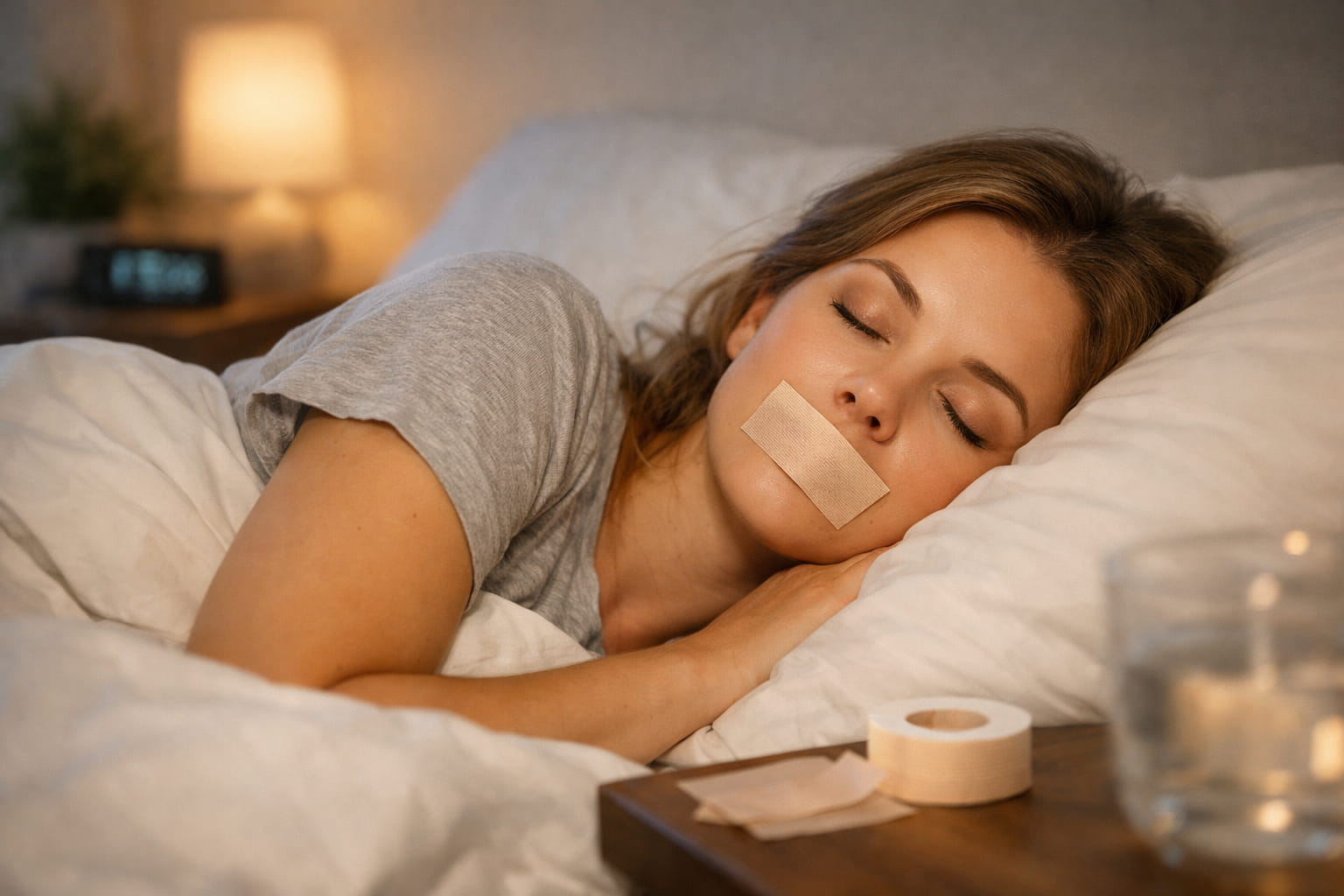



Most people think poor sleep comes from stress, screens, or caffeine. Fewer realise that how they breathe at night can quietly sabotage sleep quality even when everything else seems “right”. Habitual mouth breathing dries out the airway, increases micro-awakenings, and can keep the nervous system in a lighter, less restorative sleep state. This is why some people still wake up tired after a full eight hours.
Why Mouth Breathing Keeps Your Body in “Alert Mode.”
Breathing through the mouth bypasses the nose’s natural ability to regulate airflow and nitric oxide production. This matters because nasal breathing supports better oxygen uptake and signals the body to stay in a calmer parasympathetic state. When airflow is unregulated, breathing becomes shallower and more erratic, increasing the likelihood of subtle sleep disturbances you may never consciously notice.
The Habit Loop Most People Don’t Realise They’re in
Mouth breathing often becomes a learned behaviour rather than a medical issue. Dry indoor air, allergies, or childhood congestion can train the body to default to an open mouth at night. Over time, this becomes automatic. Even when nasal passages are clear, the habit persists — and poor sleep quality becomes normalised.
Why Mouth Tape Works for Behaviour Change, not Force
The real value of mouth taping is not “forcing” the mouth shut. It acts as a behavioural interrupt. The mild resistance nudges the body back toward nasal breathing and helps retrain the brain’s sleep-time breathing pattern. Over several nights, many users report that nasal breathing begins to feel natural again, even without the tape.
Who Sees the Biggest Improvements?
People who wake with a dry mouth, experience light snoring, or feel unrested despite long sleep durations often notice the most change. Athletes and high performers also use nasal breathing techniques to support recovery, heart-rate variability, and deeper sleep cycles.
Common Mistakes that Stop People From Seeing Results
Jumping straight in without clearing nasal congestion, using low-quality adhesive that irritates the skin, or expecting instant results can all lead to poor experiences. The goal is gradual habit correction, not overnight transformation.
How to Integrate It into a Smarter Sleep System
Pairing mouth taping with nasal rinses, humidity control, and a consistent sleep schedule creates compounding benefits. The tape becomes one part of a broader optimisation strategy, not a standalone “hack”.
If you’re tired of “doing everything right” and still waking up unrefreshed, choosing to buy mouth tape may be less about a product and more about correcting a hidden habit that’s been quietly undermining your sleep for years.